Futsal Pressing Zones and Quick Combinations: A Tactical Breakdown
The gymnasium echoes with squeaking rubber soles as the opposing pivot attempts a simple outlet pass near the sideline. Instead of retreating into a passive defensive shape, the nearest forward steps aggressively, angling his body to force the ball carrier toward the touchline. Two supporting players immediately shift inward, collapsing the passing lanes while a fourth player cuts off the diagonal option. Within three seconds, the pass is intercepted. The ball handler doesn’t reset; he immediately plays a one-two wall pass with the recovering midfielder, drawing the defense out of position before sliding a driven shot past the keeper. The entire sequence unfolds in silence except for a few sharp calls and the thud of the ball against the floorboards. This isn’t choreographed theater. It is the direct result of coordinated pressing zones merging seamlessly with rapid combination play.
What Coaches and Analysts Actually Look For
When practitioners search for information on modern futsal pressing structures, they are rarely looking for a single universal system. The tactical landscape has shifted away from rigid man-marking toward dynamic spatial control. Analysts and experienced coaches typically want to understand trigger mechanisms, coverage responsibilities, and transitional efficiency. They examine how teams manipulate court geometry to create numerical superiority in critical areas. The goal is not merely to win the ball back, but to do so in locations that maximize offensive advantage. High-intensity pressing demands precise synchronization, which is why most inquiries focus on practical implementation rather than abstract theory.
Enthusiasts often seek clarity on how pressing zones interact with quick combinations. The connection lies in tempo disruption. When a team applies structured pressure across defined zones, they force rushed decisions. Poor touches, hesitant passes, and predictable footwork become more frequent. These micro-errors are precisely what quick combinations exploit. The search intent behind this topic usually revolves around bridging the gap between defensive pressure and offensive execution. Practitioners want to know how to train these sequences without sacrificing structural integrity, how to read opponent tendencies, and how to maintain consistency under physical fatigue. The underlying question is always practical: how does this translate to actual match situations?
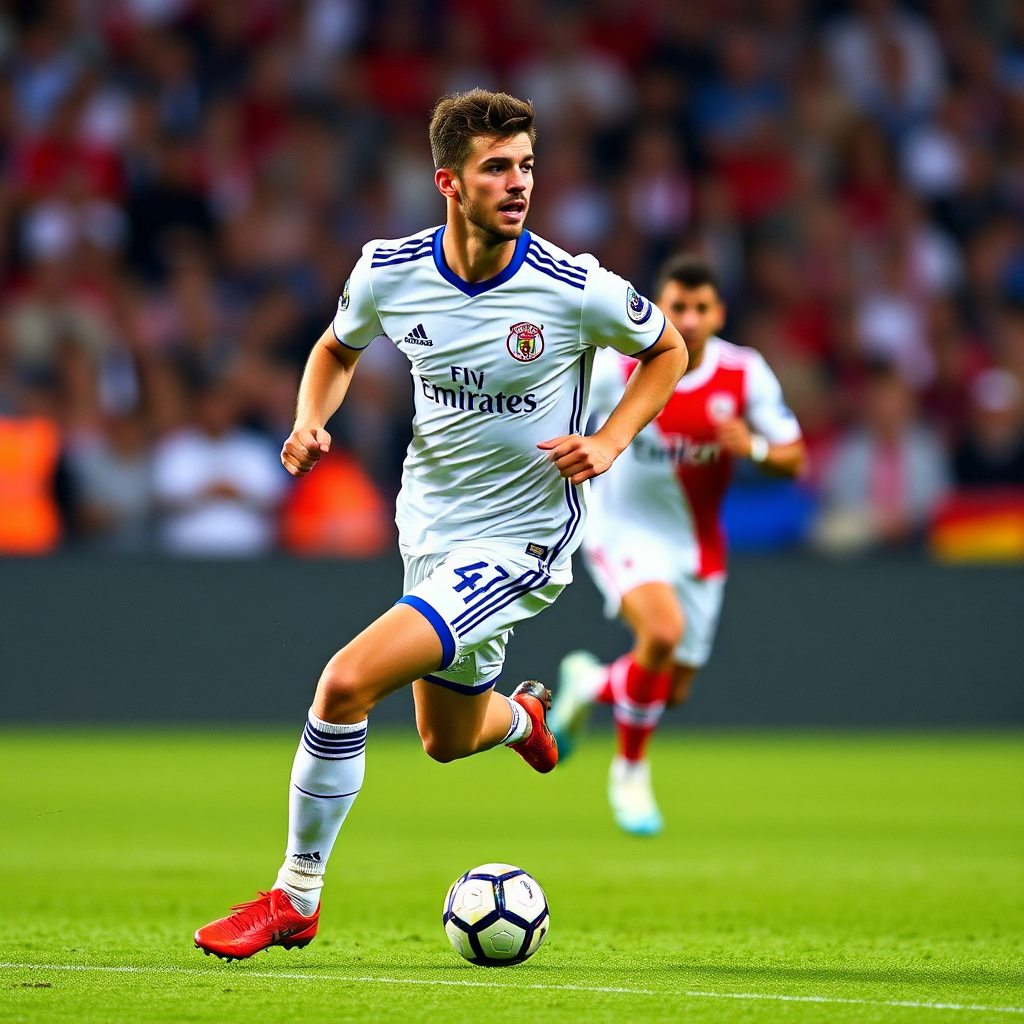
 Hình minh hoạ: zowin
Mapping the Court: Spatial Control and Rapid Link-up Play
Effective pressing begins with deliberate zone allocation. Rather than chasing the ball aimlessly, organized units divide the court into manageable sectors. The high zone typically covers the attacking third and penalty area perimeter, designed to cut off supply routes to the fixed player. The middle zone focuses on channel suffocation, preventing clean switches of play and forcing lateral circulation. The deep zone acts as a safety net, ensuring that any breakthrough attempts face immediate layered resistance. Each zone operates with specific triggers. A heavy first touch, a backward pass under pressure, or a visible hesitation often signals the moment to compress space and activate the trap.
Quick combinations serve as the offensive counterpart to this defensive architecture. In tight spaces, static positioning yields little value. Players must rely on overlapping runs, third-man movements, and rapid ball circulation to break compact defenses. The mechanics favor short passing angles, early weight application, and continuous motion after release. Footwork precision becomes critical, as miscontrolled touches stall momentum and allow the opposition to reorganize. Trained units practice these sequences until they become instinctive, reducing decision-making time to fractions of a second.
Tactical enthusiasts who track these evolving patterns often gather their own footage and framework breakdowns on dedicated discussion hubs, where you can explore further resources at zowin. The platform serves as a practical reference point for those compiling match examples, drilling progressions, and spatial diagrams. Observing how different leagues approach zone coverage reveals consistent principles: disciplined spacing, clear communication protocols, and relentless repetition under controlled conditions. The intersection of pressing zones and rapid link-up play ultimately depends on shared understanding rather than individual brilliance.

Breaking Down the Sequence: From Trigger to Finish
Executing this tactical model requires a clear stepwise progression. First, the initial trigger activates the press. This could be a forced pass into a congested area, a visible lack of support options for the ball carrier, or a deliberate bait by the defending unit. Second, the nearest player applies immediate pressure, using body orientation to steer the opponent toward predetermined corridors. Third, supporting players rotate to cover vacated spaces, maintaining compactness while denying diagonal outlets. Fourth, possession is recovered through interception, deflection, or a well-timed tackle. Fifth, the transition phase begins instantly, with the ball released into advanced positions through rapid combinations.
The window between recovery and attack is typically two to three seconds. Beyond that threshold, the opposing team regains defensive shape, neutralizing the advantage. Quick combinations thrive on simplicity and timing. A standard sequence might involve a short pass to a rolling teammate, followed by a first-time return pass that draws defenders outward. Another pattern uses a third-man run, where the initial passer makes a diagonal sprint to receive a rebound pass. Overlapping rotations are equally valuable, creating passing triangles that stretch the defense horizontally. Every movement must account for defensive reactions, requiring constant situational awareness.
Observations from extended viewing and grassroots training highlight several recurring factors that separate successful execution from chaotic scrambling. Directional running matters as much as passing accuracy. Players who move toward space rather than toward the ball consistently create better passing angles. Voice communication establishes baseline coordination, with simple cues like “switch,” “drop,” and “pressure” keeping units aligned. Physical readiness determines sustainability, as repeated high-intensity pressing rapidly depletes energy reserves. Teams that integrate these elements see smoother transitions and higher conversion rates during turnover situations.
Evaluating Tactical Fit and Practical Verification Methods
Not every squad benefits from aggressive zone pressing. Implementing this system requires specific athletic profiles, tactical literacy, and synchronized rehearsal time. Misalignment often leads to exposed gaps, especially during counter-attacks. When the press is bypassed, the remaining defenders must cover large distances without immediate support. Fatigue compounds the issue, causing delayed reactions and poor decision-making under pressure. Recognizing these limitations is essential before committing to full-court implementation.
Verification relies on structured testing rather than guesswork. Controlled scrimmages provide the safest environment for assessing effectiveness. Coaches can introduce variables such as restricted passing options, timed transitions, or numerical disadvantages to simulate match conditions. Video analysis offers objective measurement, allowing reviewers to track pressing success rates, turnover conversion percentages, and recovery run distances. Tracking metrics like passes allowed per defensive action helps quantify intensity without relying on subjective impressions. Drill progression should follow a logical sequence: isolated zone coverage, small-sided possession games, then full-court integration with live opposition.
Practical guidelines suggest starting with mid-block triggers before advancing to high-press schemes. This allows players to develop spatial recognition and communication habits without overwhelming physical demands. Conditioning programs must complement tactical work, emphasizing explosive acceleration, lateral agility, and aerobic endurance. Regular feedback loops between coaching staff and players prevent misinterpretation of roles. When adjustments are made based on observed performance rather than theoretical assumptions, the system becomes more resilient and adaptable.

Common Questions on Zone Coverage and Transition Speed
Can amateur or recreational teams successfully apply structured pressing zones? Yes, provided expectations align with available conditioning and tactical exposure. Lower-skilled squads benefit more from selective pressing focused on specific triggers, such as backward passes or sideline containment. Full-court aggression often leads to disjointed defending. Gradual introduction of zone principles alongside basic combination drills yields sustainable improvement.
How do players balance pressing with defending set pieces? Pressing schemes require rotation during dead-ball situations. Fixed players typically drop into central protection while outfield athletes switch to man-oriented marking near the penalty area. Clear verbal assignments prevent double-covering or unmarked opponents. Transitioning back to pressing formation occurs immediately after clearance or save.
What role does the fixed player or pivot play in quick combinations? The pivot often acts as a directional hub, receiving pressure from defenders while facilitating rapid distribution. Short returns, lay-offs, and driven through-balls enable midfield runners to advance into space. Effective pivots maintain body awareness, shield the ball efficiently, and recognize passing windows before defenders adjust positioning.
How much training time is realistic for mastering these sequences? Consistency matters more than volume. Short, focused sessions emphasizing trigger recognition, rotational movement, and first-touch quality produce better results than marathon rehearsals. Integrating tactical drills into regular conditioning blocks ensures maintenance without excessive fatigue accumulation.
Final Recommendations by Reader Group
For amateur coaches seeking incremental improvements, begin by isolating trigger recognition. Design drills that reward teams for identifying weak passes and applying immediate, coordinated pressure. Introduce combination patterns gradually, focusing on two-player interactions before expanding to three-player rotations. Prioritize communication protocols and directional running over complex routing. Measure progress through controlled scrimmage outcomes rather than isolated drill completion.
For analytical readers and tactical observers, concentrate on video breakdowns that highlight spatial manipulation and transition timing. Track how pressing zones compress opponent options and how quickly possession shifts toward advanced areas. Compare different league approaches to identify consistent principles versus contextual adaptations. Build a personal library of effective sequences, noting trigger conditions, player movements, and defensive reactions.
For competitive players preparing for higher-level competition, invest heavily in conditioning and decision-making under fatigue. High-intensity pressing demands reliable physical output and rapid cognitive processing. Practice combination sequences at match pace, incorporating defensive pressure from the first rep. Develop personal habits for scanning, early weight application, and continuous motion after release. Align individual preparation with unit objectives to ensure seamless integration during actual matches.
Implementing pressing zones and quick combinations requires patience, structured progression, and honest assessment of available resources. Teams that approach the system methodically, verify effectiveness through controlled testing, and tailor execution to their specific roster composition tend to achieve the most sustainable results. The tactical framework rewards discipline, spatial awareness, and collective responsibility far more than individual flair alone. Further reference: https://zowin.wedding/.